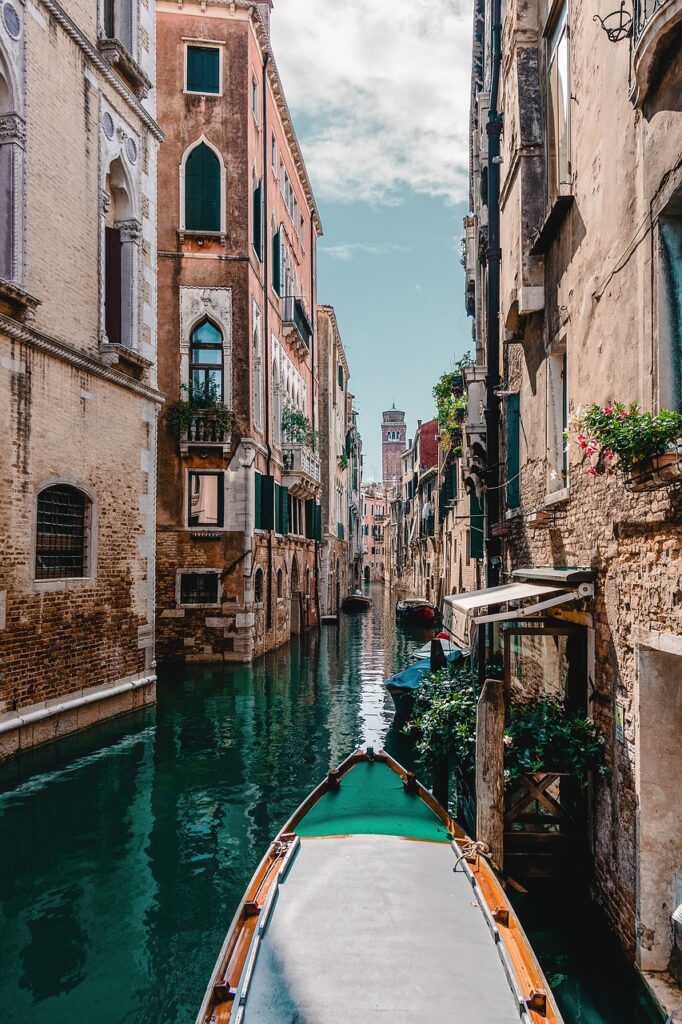
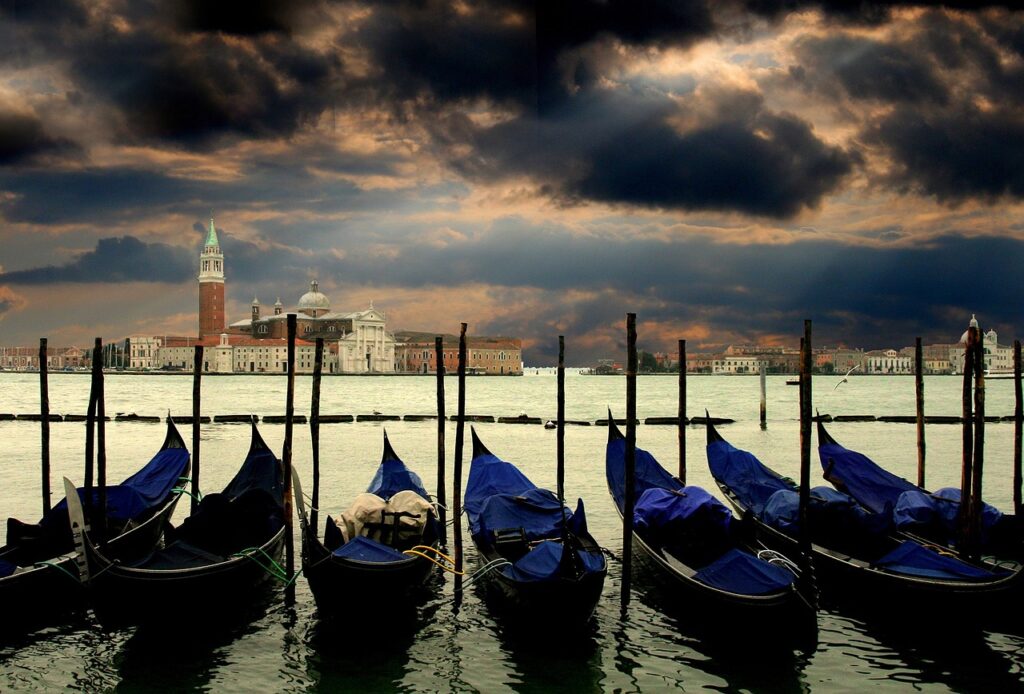
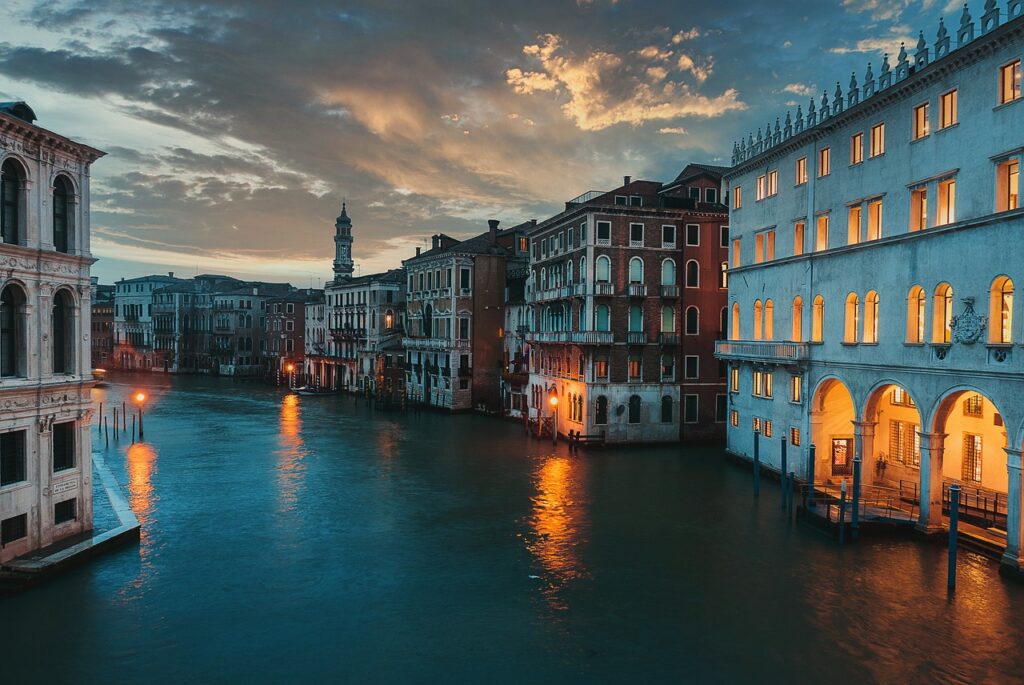
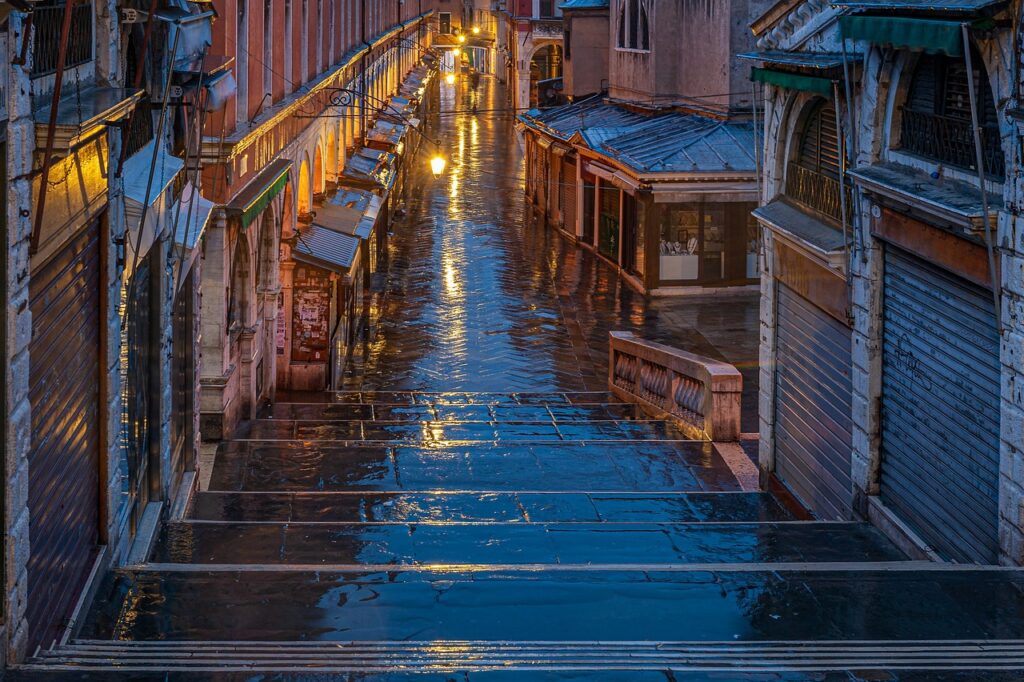
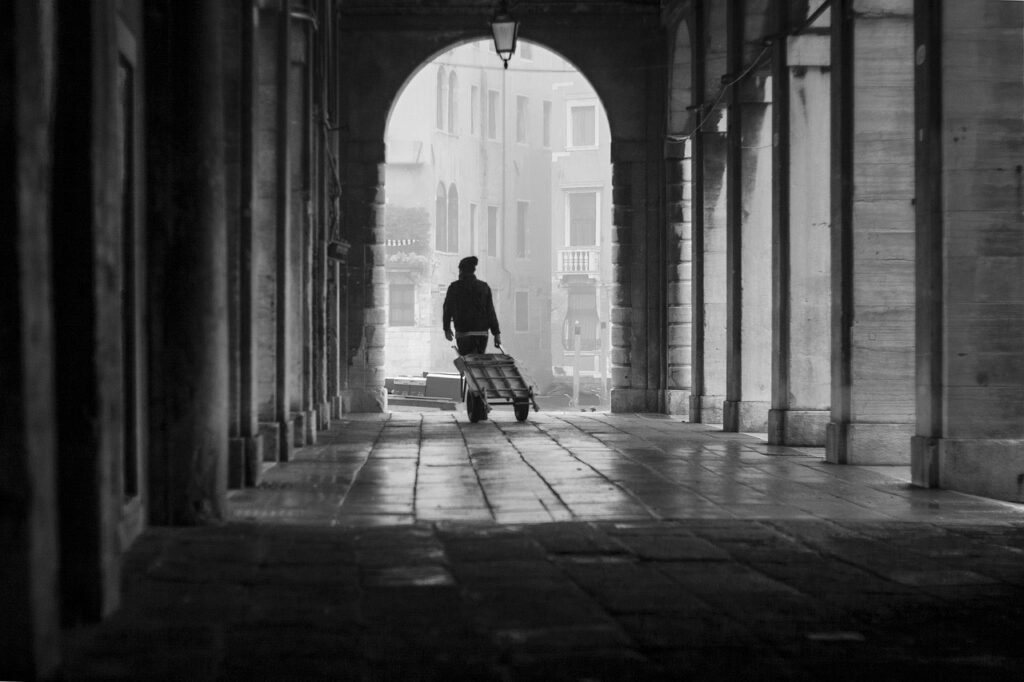
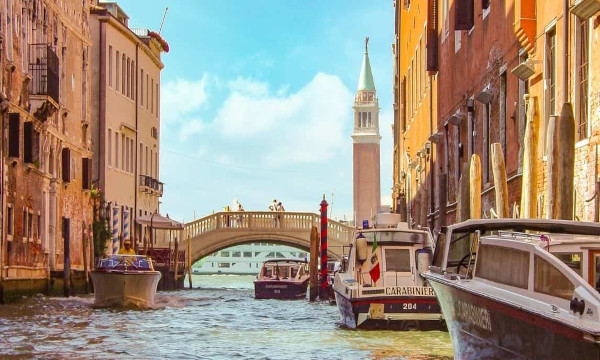
Venice is a city that stirs emotions and amazes, a place where you leave exhausted by nostalgia but still feel a vital energy beneath the tourist mask. These pages are not a jumbled up collection of Venice, but rather a timid and inquisitive look at the folds of a city that many of us would like to have in our urban future.
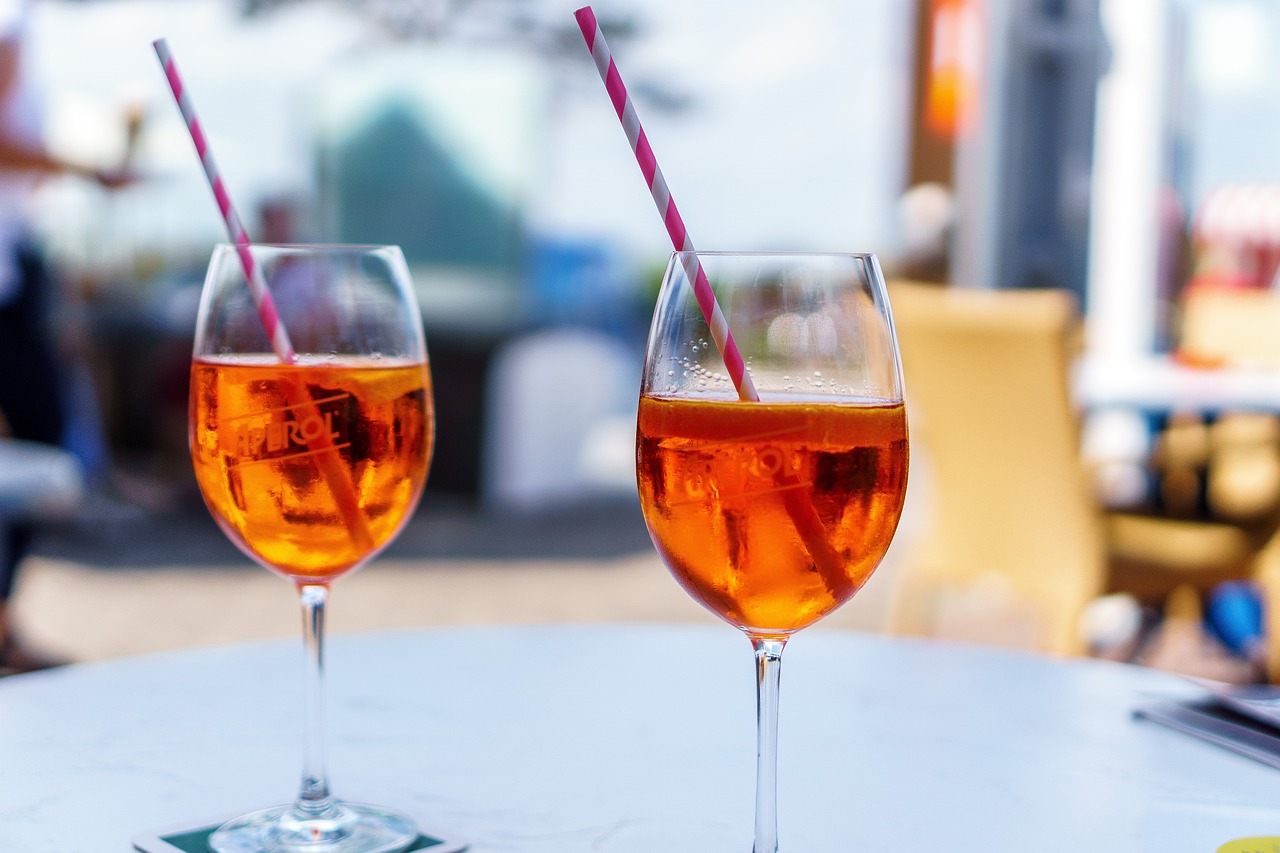
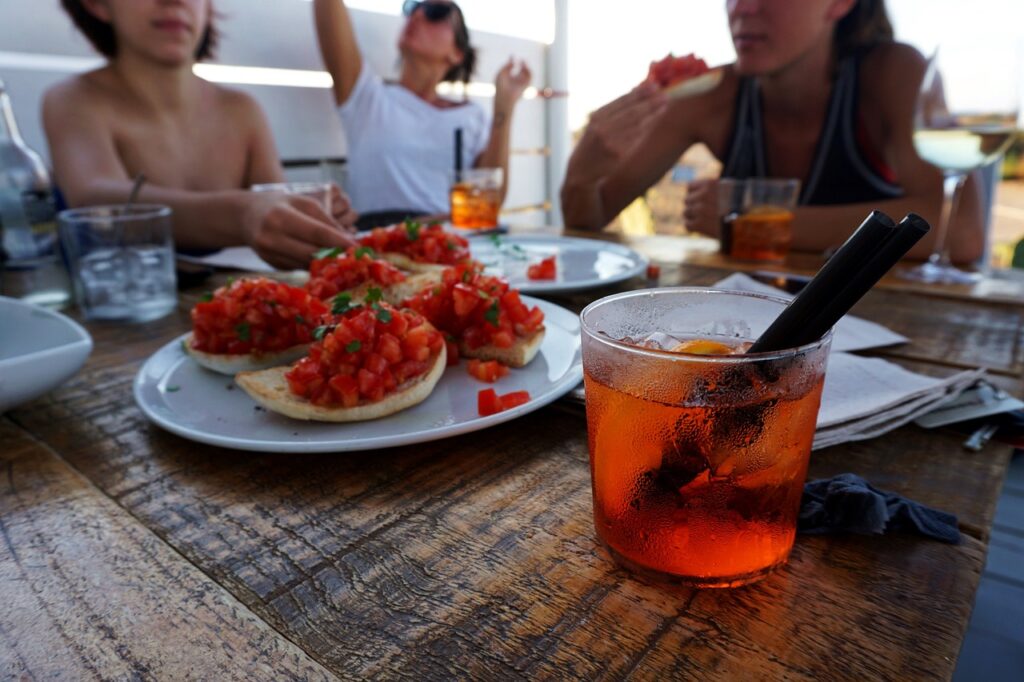
Among the favorite rituals of the Venetians is the Bàcaro tour, also known as “giro par ombre”. You can find young and old alike drinking and chatting in these small bars, where the right atmosphere is created and where you can come to make peace with the world.
These pages will take you to discover the most authentic Bàcari, those where you can still find a lesser but more real Venice, taste typical food, hear friendly discussions between patrons and feel like an active part of this great stage that is Venice.
What is a Bàcaro?
We could simply say that a Bàcaro is a tavern, but that would be too simplistic and not entirely accurate.
A Bàcaro is a typical Venetian tavern, characterized by simple and rustic furniture, where glasses of wine (ombre) are mainly served accompanied by small food tastings (cicheti), displayed in the counter showcase.
However, the fundamental characteristic that distinguishes a true Bàcaro is that it is frequented by Venetians, who have always perpetuated the custom of meeting to chat, comment and laugh about the various vicissitudes of life, all under the guidance and conviviality of the landlord.
Bacaro Tour
A Bacaro tour is a great way to experience the authentic side of Venice. It is a walking tour that takes you to several Bàcari, where you can sample the local wine and food.
Here are some tips for enjoying a Bacaro tour:
Go with a group of friends.
Be prepared to walk.
Don’t be afraid to try new things.
Pace yourself.
Have fun!
A Bacaro tour is a unique and unforgettable experience. If you have the chance to do one, I highly recommend it.
Here are some additional resources that you may find helpful:
Often the Venetian villages are an excellent alternative to visit compared to the usual central cities usually congested by the masses.
In Veneto we are lucky enough to boast a more than dignified heritage as regards the villages, I want to recommend some.
Montagnana
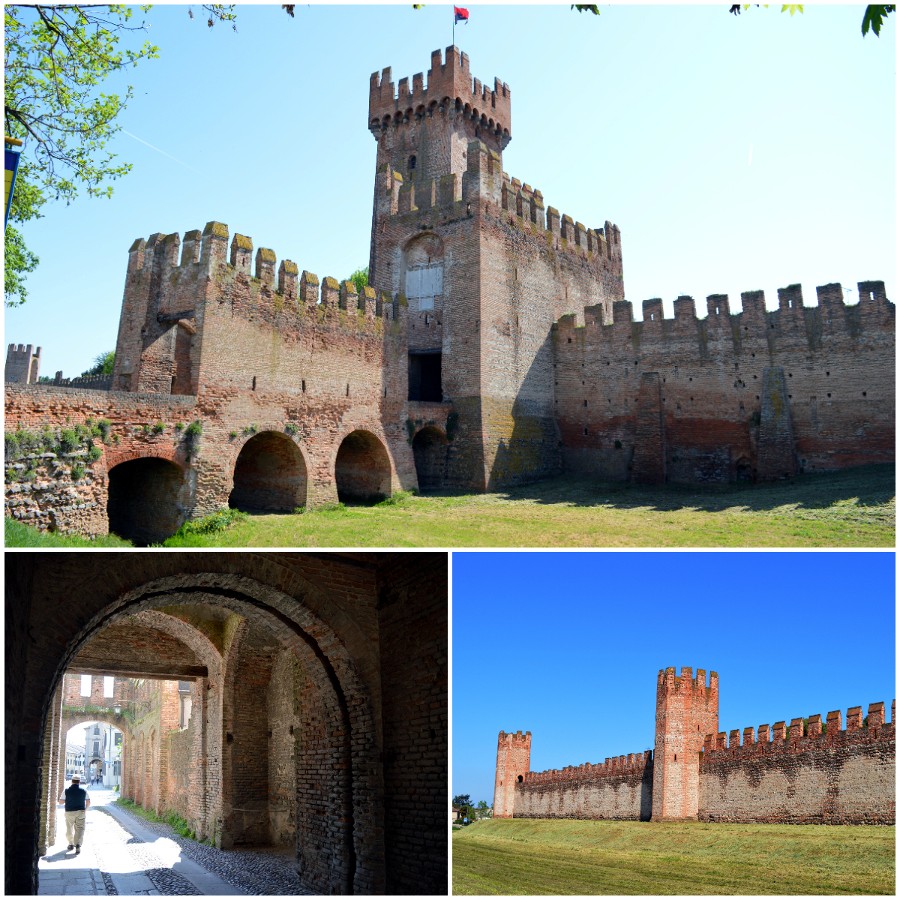
Considered one of the best preserved fortified cities in the world, it manages to give a lot of an atmosphere dating back to medieval times. The village is surrounded by a huge walled enclosure still perfectly preserved and where it is still possible to walk on it today, the old moat that surrounded the entire city is now a green expanse where you can walk. In addition to the Rocca degli Alberi, the Keep and the Castle of San Zeno stand out among the walls. Everything here suggests the infinite battles that shook the territory: a border place, Montagnana was in fact thought to be impregnable and this is confirmed by walking around the perimeter of its walls along two kilometers.
Previous
Next
Previous
Next
Asolo
Village famous for its nickname: city of a thousand horizons, due to the breathtaking landscapes that can be admired from up there. It boasts a beautiful medieval old town.
Walking through the “foresti”, as the streets that go up the hill are called here, you reach Piazza Maggiore with the fountain with the winged lion, the Cathedral and the nearby castle where the Theater dedicated to Eleonora Duse, who chose Asolo himself, is located as one’s home.
Malcesine
Malcesine is one of the most beautiful villages around Lake Garda.
The town’s most prominent attraction is the Scaliger Castle, now a
natural history museum with a room dedicated to Goethe and his drawings
dating back to his stay at the lake.
A great tip is to take some time
to explore all the alleys of the town and linger on the marina where
you can see the brightly colored facades of the houses.
Previous
Next
Previous
Next
Arqua Petrarca
Ancient medieval village near the Euganean Hills. It has a charm that
has managed to last over time. The same charm in the past had also
captured the passion of the poet Francesco Petrarca from whom the town
then inherited the name. From the town square starts a nice walk to the
Pianoro del Mottarone, one of the most romantic points of all the
Euganean Hills.
Cittadella
A small Montagnana, with practically perfect walls that can be covered on foot in about an hour. Unlike Montagnana, the nucleus inside is smaller and therefore I recommend combining the visit of Cittadella with one of the many nearby Venetian villas, such as Villa Contarina and Piazzola sul Brenta, or Bassano del Grappa.
The tourist complex of Eco Garden this weekend will take you on a tour of the most famous islands in the Venetian territory, Murano the island of glass, Burano the island of lace and colored houses and finally Torcello.
What is the Venetian lagoon
The Venice Lagoon or Venetian Lagoon is an Italian lagoon on the Adriatic Sea that extends along the central-northern and southern coasts of the Veneto.
It is the largest lagoon in the Mediterranean with an area of approximately 550 square kilometers. The Venice Lagoon was inscribed on the UNESCO World Heritage List in 1987.
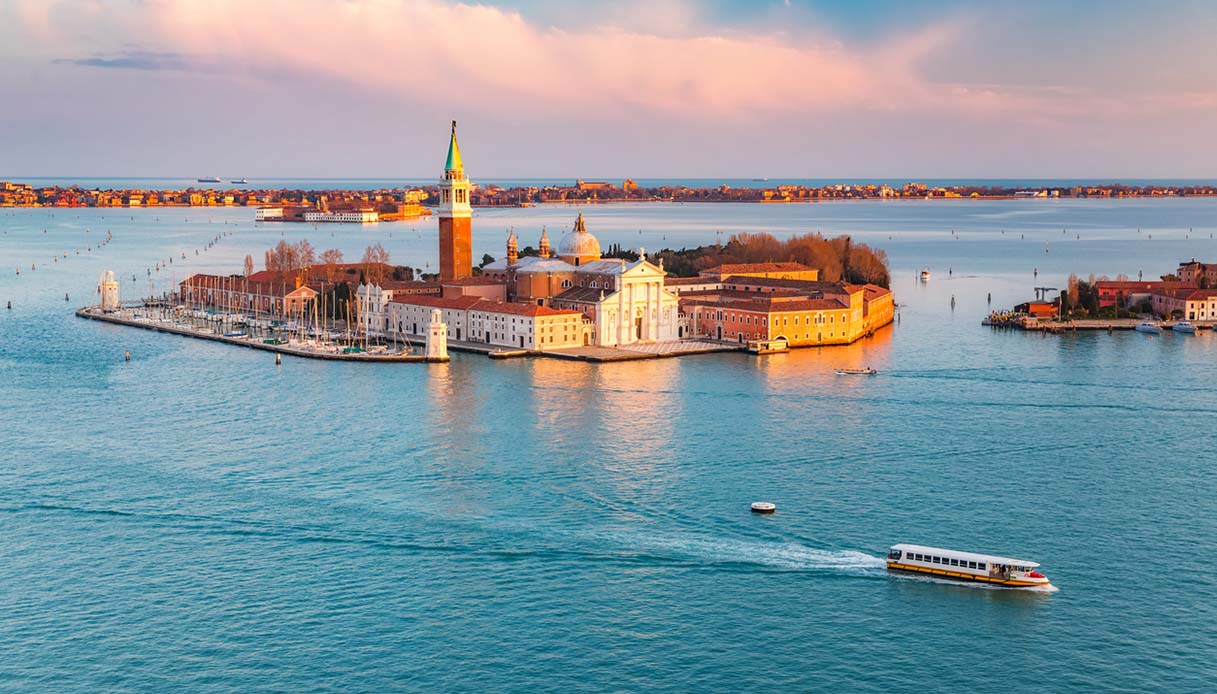
The islands of the Venice Lagoon are about 70, of which the most famous and visited are: Murano, Burano and Torcello. But there are many other islands in the lagoon, such as Lido, which hosts the Venice Film Festival, or Saint-Michel, where the monastery of the same name stands.
Previous
Next
Previous
Next
Murano what to see
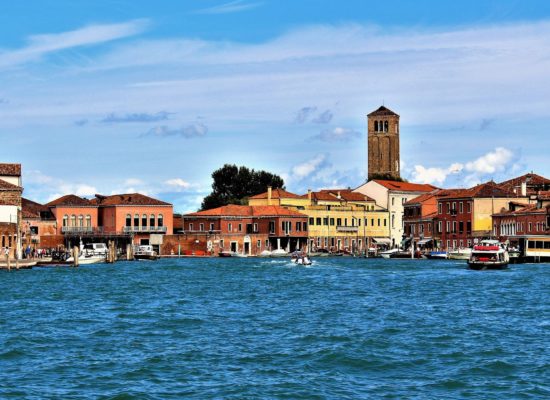
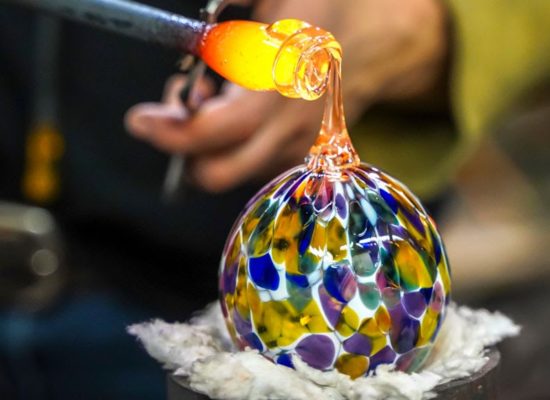
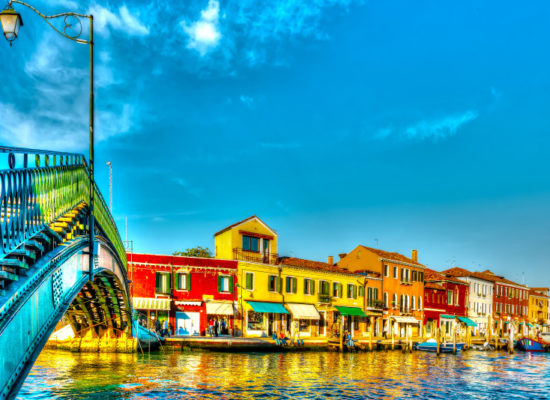
The first stop on our tour of the Venice Lagoon takes us to the island of Murano, famous for its glassmaking.
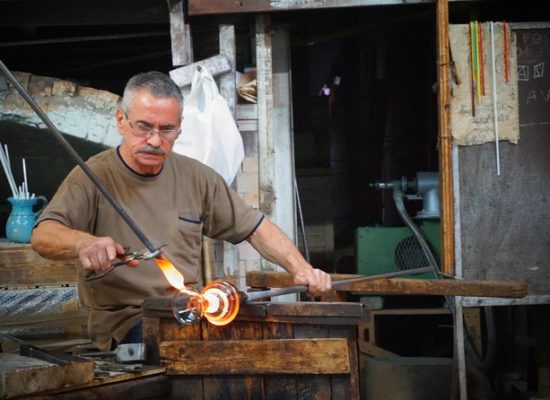
Murano is actually a group of islands connected by bridges on which the production of artistic glass has been concentrated since the Middle Ages.
There were two reasons for the decision to make Murano the “World Capital of Art Glass“: to protect the secrets of glass processing, and to protect the city of Venice from possible fires due to the presence of the furnaces, which were then all transferred on Murano Island.
The art of glassmaking is not learned in school, but is handed down from father to son. Only after more than 10 years of apprenticeship, in fact, we hope for the title of “Master” of glass.
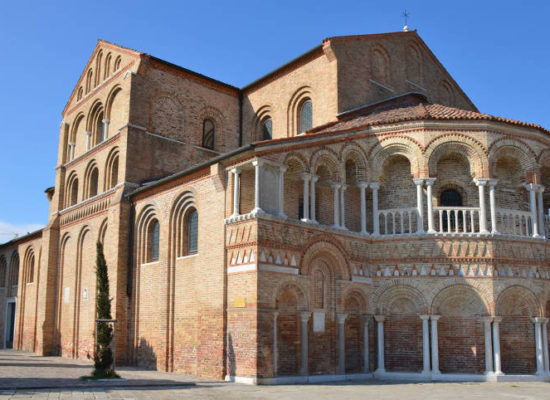
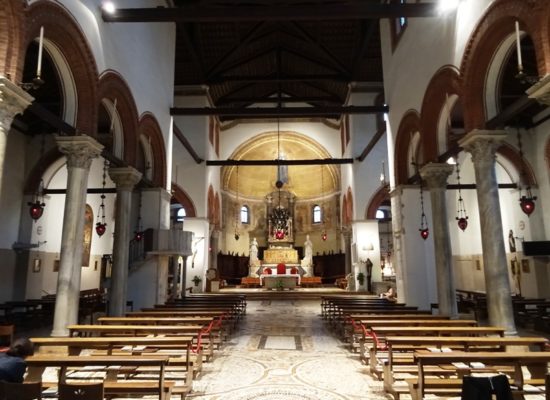
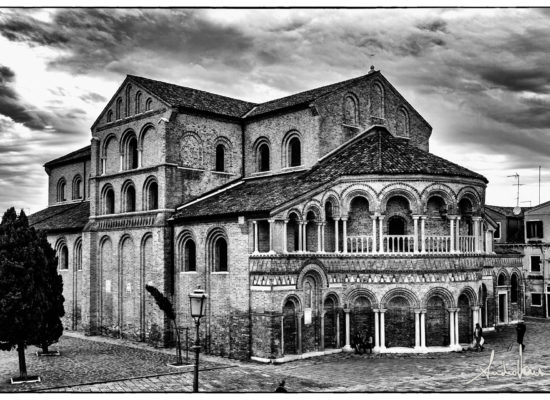
THE BASILICA OF SS MARIA AND DONATO
This cathedral, in addition to being very beautiful on the outside, is also inlaid with precious mosaics. In fact, the date “September 1141” is recorded in a 12th century mosaic, contemporary with the construction of the Basilica of San Marco. The mosaics in porphyry, serpentine and other marbles and precious stones depict Christian images such as peacocks, griffins and eagles.
Thanks to a 1973 restoration, the mosaic floor of the cathedral was saved from the high waters of the Venice Lagoon. The mosaic tiles, in fact, are slowly being lost and consumed due to this phenomenon. The restoration was possible thanks to the intervention of the American Society Save Venice and a contribution from Ms. Gladys Delmas.
Previous
Next
Previous
Next
What to see in Burano
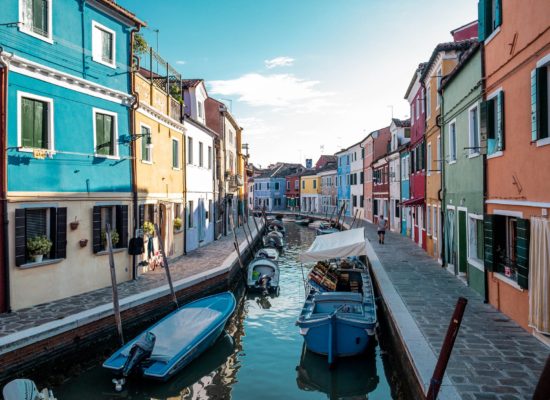
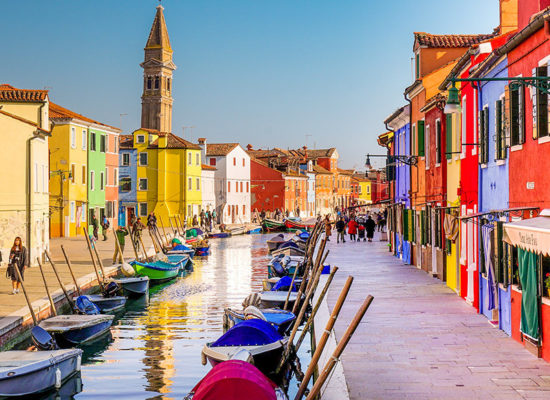
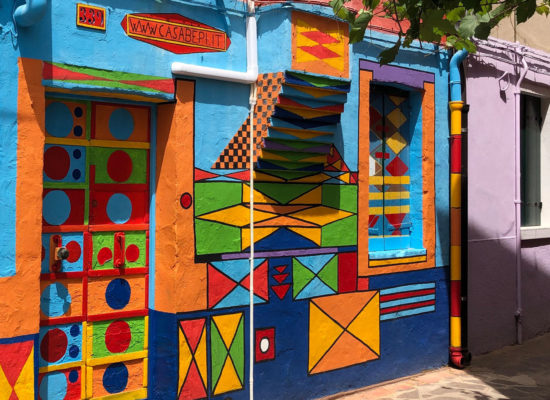
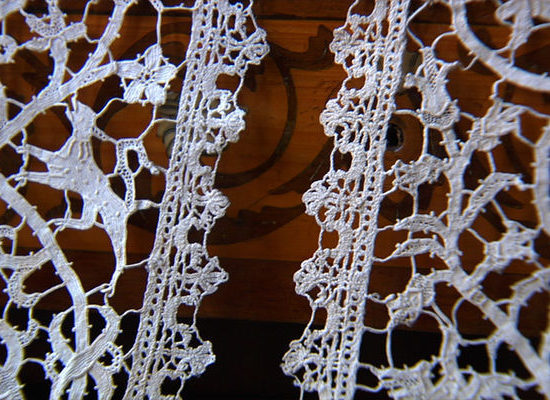
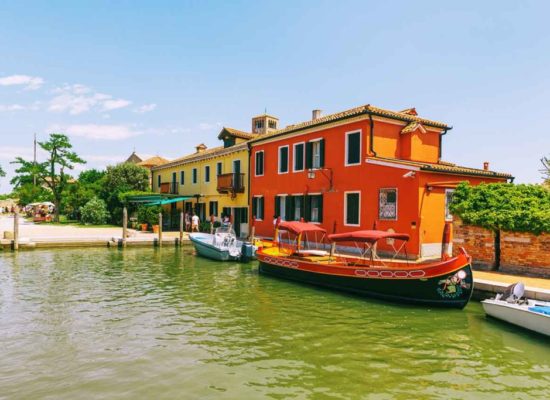
Burano is known for its lace making, which is essentially a finely embroidered lace. But in recent years it has become more famous on social media for its many colorful houses. In fact, the colorful houses of Burano are wonderful and lively.
I recommend you get lost in the alleys, with wonderful views and squares, and go to Calle del Pistor for the small and colorful Bepi Suà Home.
The busiest street in Burano is Via Baldassarre Galuppi, full of shops and clubs, and in the end it is Piazza Baldassarre Galuppi. In this very large square there is the Church of S. Martino Vescovo with its sloping bell tower.
If the desire for colored houses is insatiable and you want to capture some glances away from the chaos of tourists, head towards Street of Corte Comare, here you will find a beautiful row of colored houses waiting for you.
What to see in Torcello
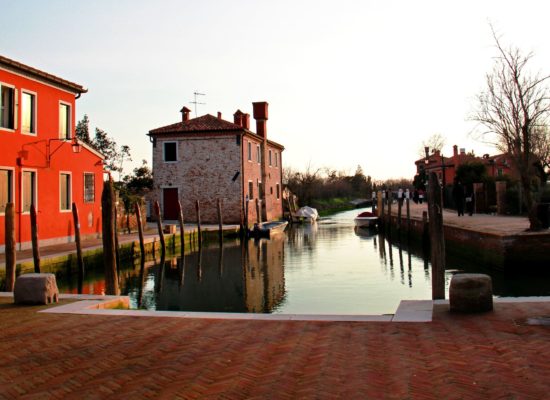
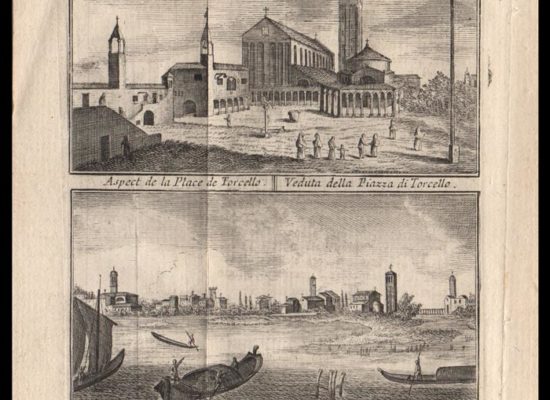
It is a little known place compared to other islands of the Venetian lagoon and very wild, where you can breathe tranquility. This island was one of the first settlements in the Venice lagoon and although it now has only a few dozen inhabitants, it was once populated by over 20,000 people.
In fact, Torcello was born as a commercial district and only later became a refuge for the population, fleeing the barbarian invasions.
Previous
Next
The attractions of Torcello
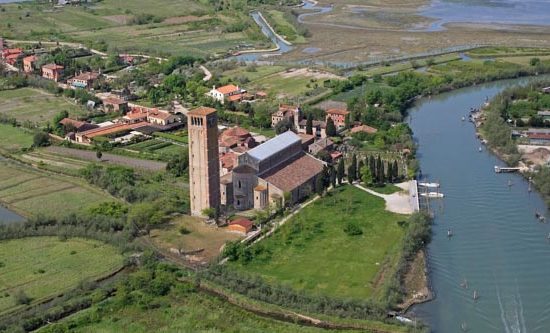
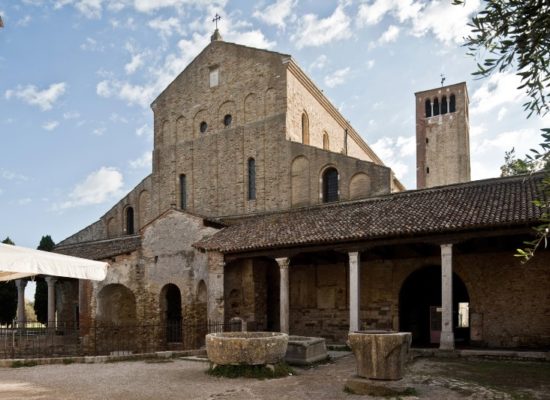
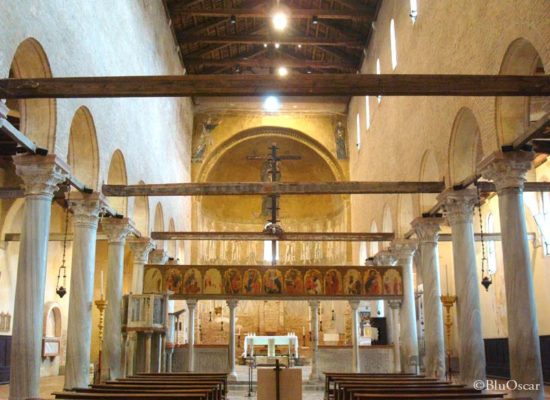
The most important building in Torcello is undoubtedly the Basilica of Santa Maria Assunta, a Venetian – Byzantine building. Renovated in its present form around 1000, it preserves important Byzantine mosaics, including the magnificent “Last Judgment”. The visit to the cathedral costs € 4 per person, but it is worth buying a ticket to see the works inside.
Next to the Basilica of Santa Maria Assunta is the Church of Santa Fosca, which dates back to the 12th century, has a Greek cross plan and a portico with marble columns and capitals, combined with the architectural theme of the interior.
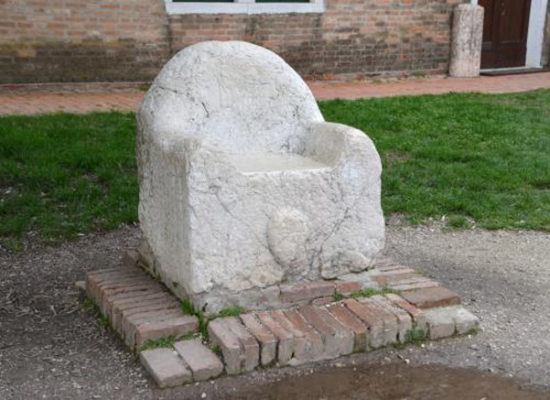
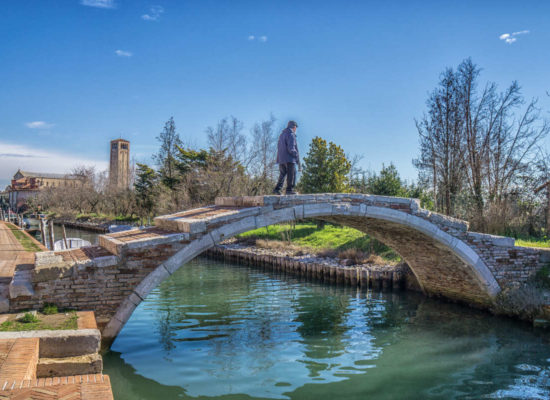
Other attractions in Torcello are the Throne of Attila, a marble seat that may have been used by bishops or the island’s courts to preside over the Bridge of Justice and the Devil, a bridge without railings, whose name derives from its connection with ancient legends.
The tourist complex of Ecogarden, thanks to its strategic position, is surrounded by places of inestimable cultural and naturalistic value in the Veneto area.
The places that are absolutely recommended to visit are: the Cansiglio Forest, the Lake of Santa Crocre and last but not least, Venice.
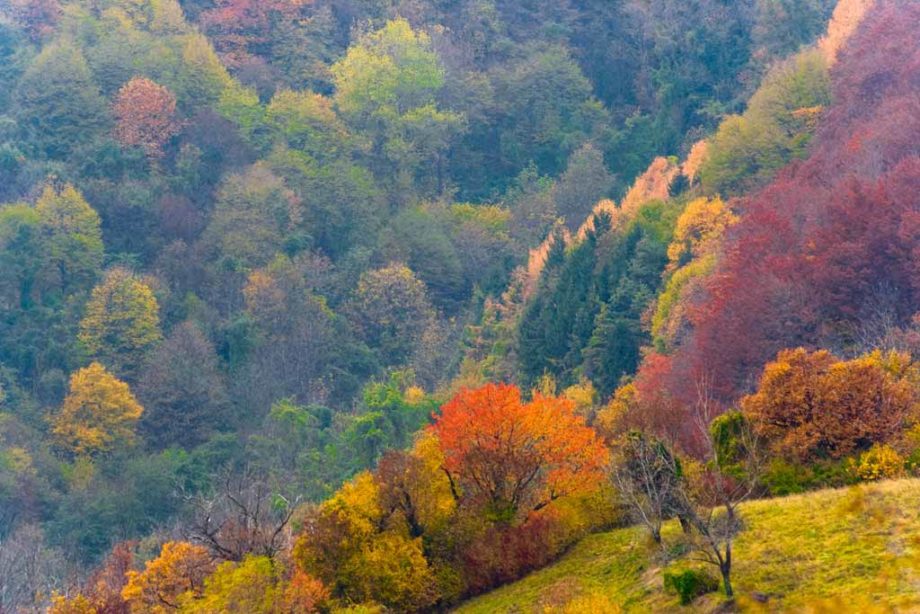
Cansiglio forest
The Cansiglio is a natural valley that winds between Veneto and Friuli Venezia Giulia, including three main provinces: Belluno, Treviso and Pordenone.
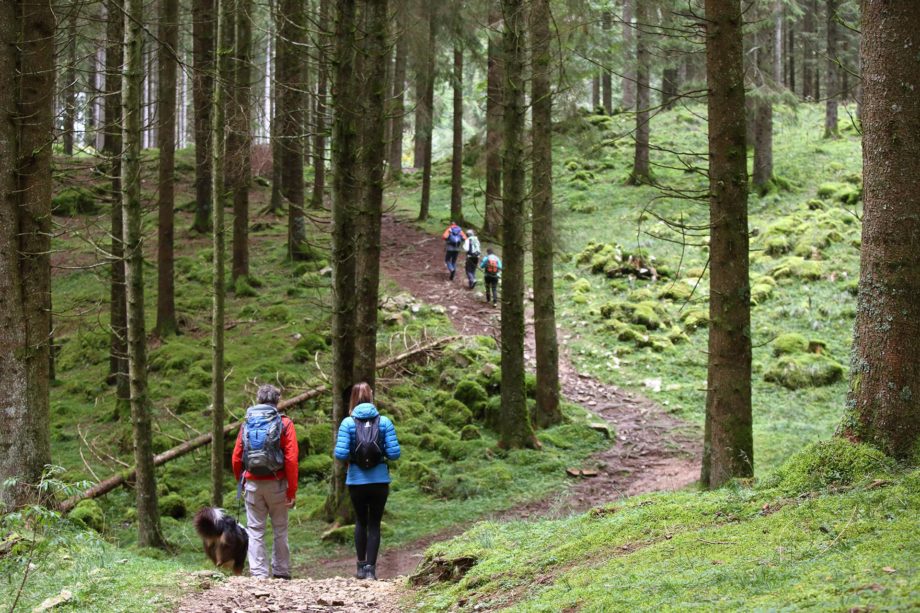
It is one of the most beautiful forests of centuries-old beech and fir trees, a destination for hiking and nature lovers, but also ideal for spending a day sunbathing in the meadows and enjoying the excellent local cuisine in the farmhouses in the area.
It encompasses an area of 7000 hectares of land, within which there are a huge number of trails. The latter can be traveled on foot, on horseback, by mountain bike and alternatively with snowshoes in the winter months.
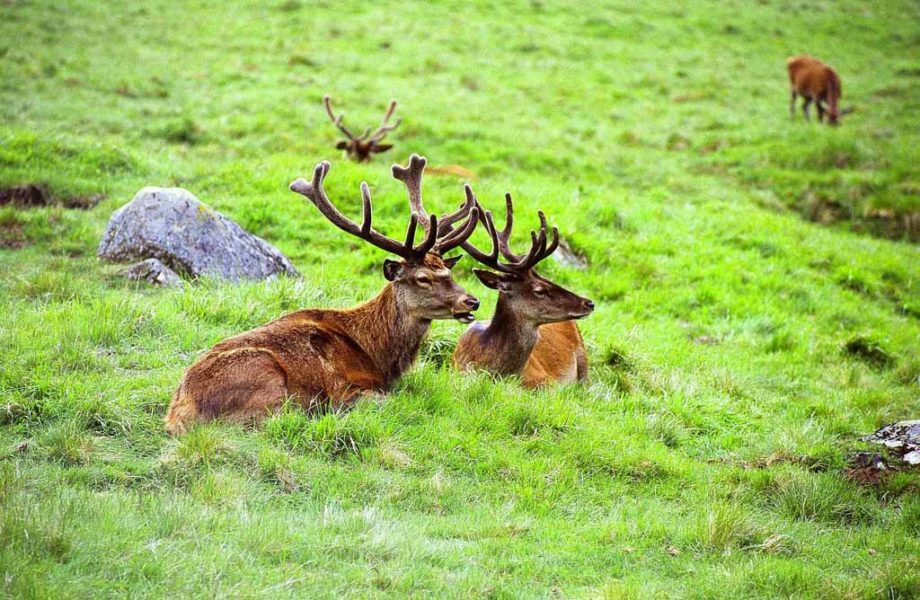
During the excursion it is not uncommon to come across local fauna such as deer, roe deer and squirrels, but also foxes and lynxes which are some of the many species that live in the area.
Previous
Next
Lake of Santa Croce
Previous
Next
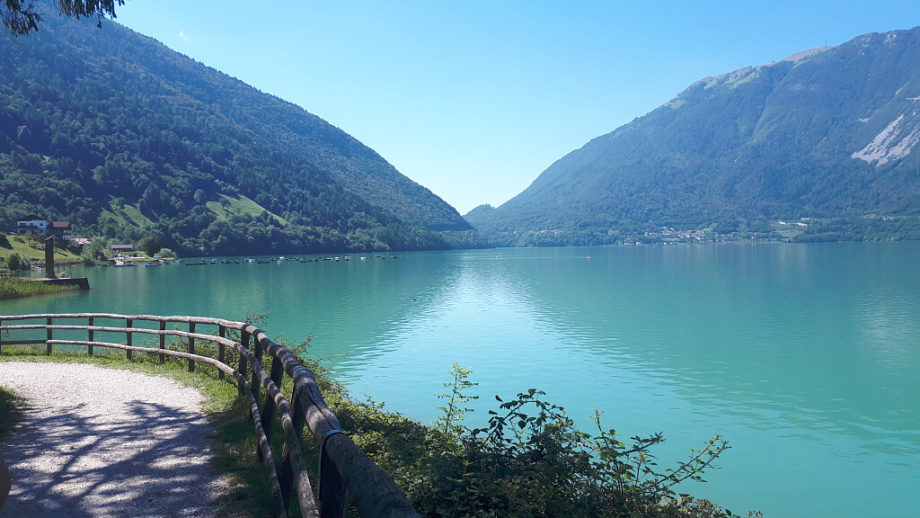
The lake is located in the province of Belluno and is the second largest lake in Veneto after Lake Garda.
It is a natural lake formed after a landslide that blocked the Piave river.
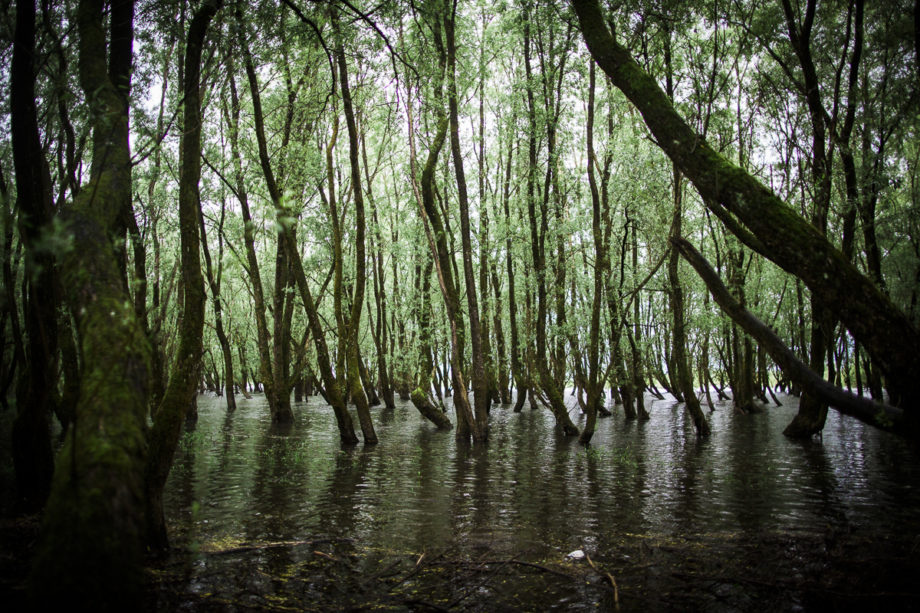
Between the shores of the lake there is an important natural site: the Oasis of Sbarai, a vast wetland area covering over 30 hectares that is characterized by different environments. The oasis, the natural habitat of many species of birds such as the Little Grebe, the Lapwing, the Cannaiola, is the perfect place for birdwatching and can be reached via a flat path, where you can also admire specimens of white willows.
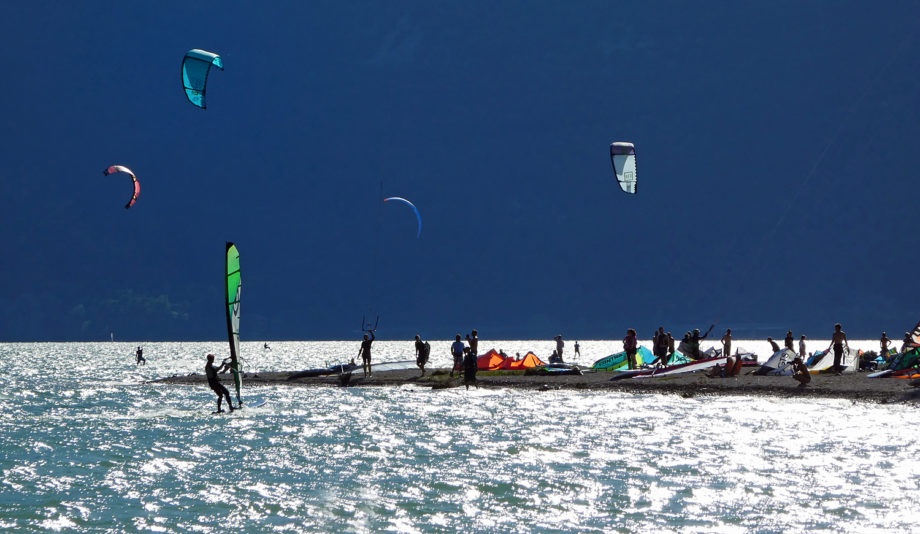
Thanks to the particularly windy climate, the lake has become a popular destination for windsurfing, kitesurfing and sailing enthusiasts. During the year, but especially in the summer, you can admire from the beach along the shores of the lake large and colorful sails plow the blue waters of this body of water which annually attracts, from all over Europe, lovers of these sports that unite water and wind with strong adrenaline rushes.
Venice
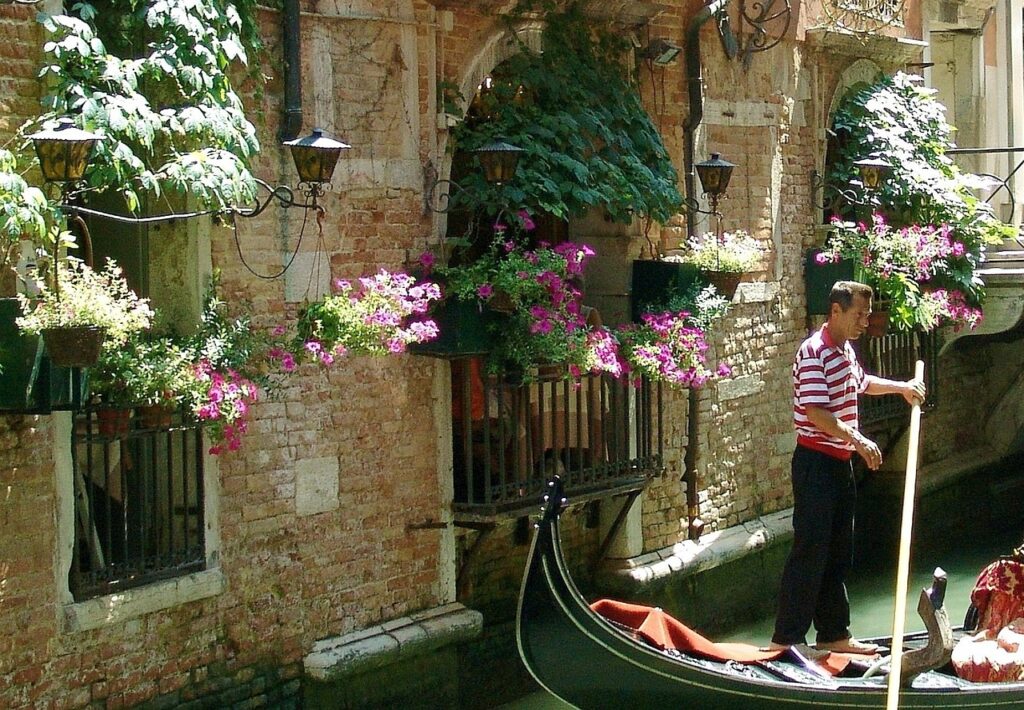
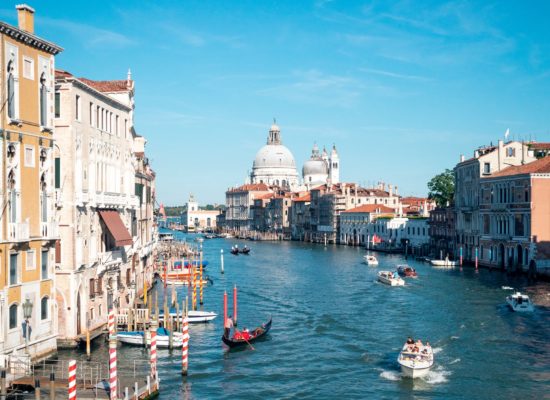
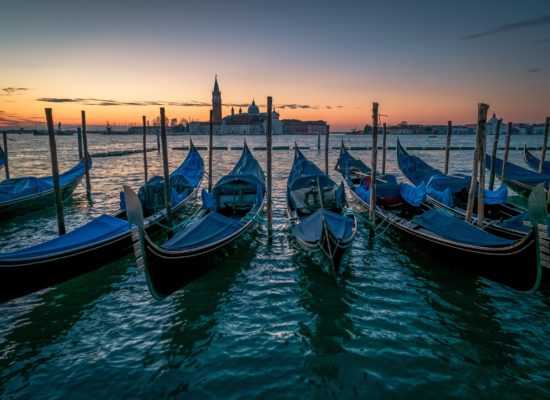
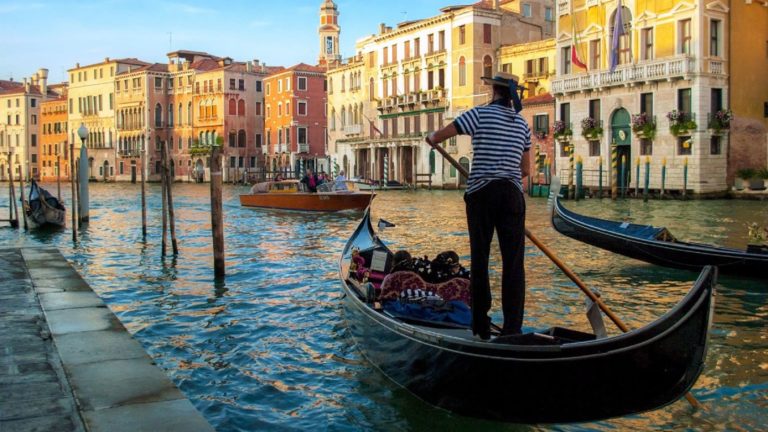
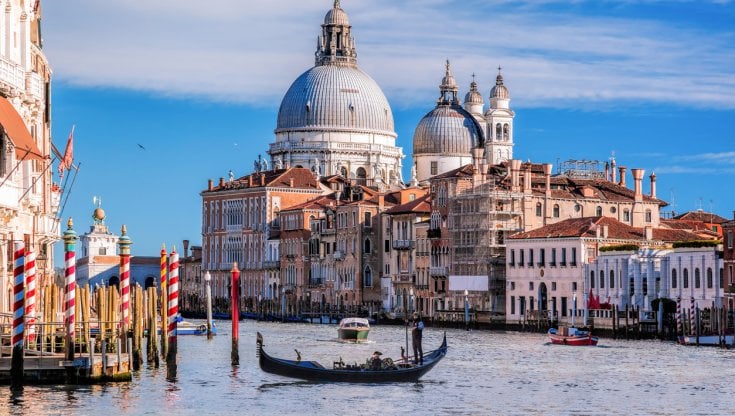
What better half to visit for a day full of romance and culture than Venice? This city has always been a destination for lovers for the famous and romantic gondola ride while being lulled by the movement of the waters of the Grand Canal.
But Venice is above all art, an art that has come down to the present day that tells the splendor accumulated over the years of the history of the Serenissima. The oriental influences, especially Greek-Byzantine, have perfectly blended with the typical styles of the area, creating a unique artistic combination of its kind.
Previous
Next
Manage Consent
To provide the best experiences, we use technologies like cookies to store and/or access device information. Consenting to these technologies will allow us to process data such as browsing behavior or unique IDs on this site. Not consenting or withdrawing consent, may adversely affect certain features and functions.
Functional
Sempre attivo
The technical storage or access is strictly necessary for the legitimate purpose of enabling the use of a specific service explicitly requested by the subscriber or user, or for the sole purpose of carrying out the transmission of a communication over an electronic communications network.
Preferences
The technical storage or access is necessary for the legitimate purpose of storing preferences that are not requested by the subscriber or user.
Statistics
The technical storage or access that is used exclusively for statistical purposes.The technical storage or access that is used exclusively for anonymous statistical purposes. Without a subpoena, voluntary compliance on the part of your Internet Service Provider, or additional records from a third party, information stored or retrieved for this purpose alone cannot usually be used to identify you.
Marketing
The technical storage or access is required to create user profiles to send advertising, or to track the user on a website or across several websites for similar marketing purposes.